The Future Of Wall Tent Pricing In Outdoor Markets
Advantages and disadvantages of Vinyl Vs. Canvas Outdoor Tents FloorsWhile numerous campers concentrate on a tent's cover to shield them from rain, snow, and pests, the tent flooring is just as essential. A top quality floor supplies security from standing water, soaked mud, and sharp rocks.
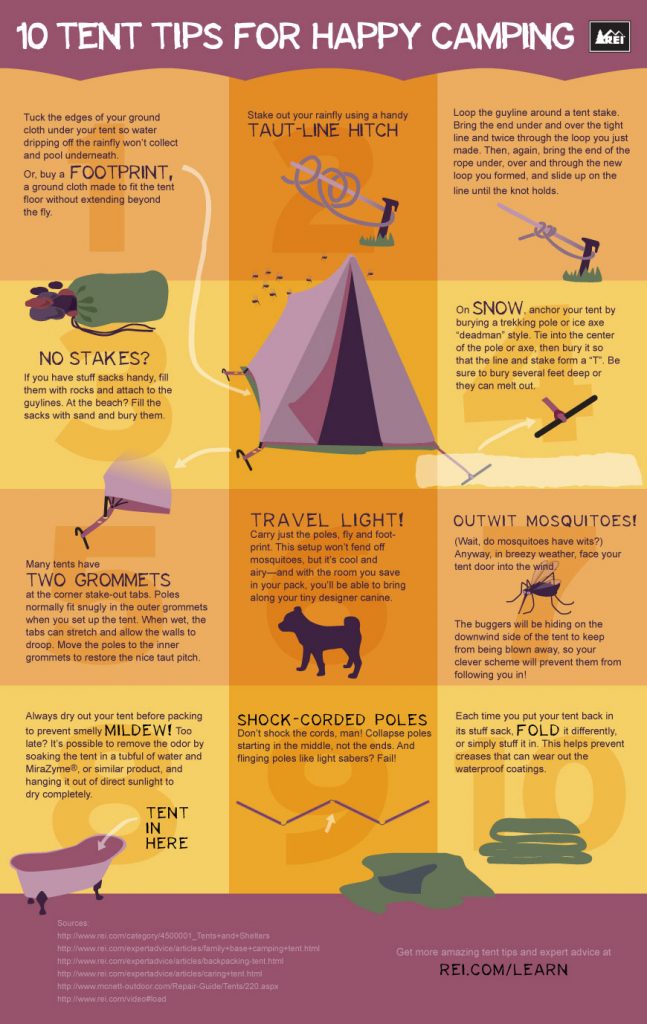
At White Duck Outdoors, we provide free-floating vinyl floors that are tailored to every outdoor tents size. This enables you to choose a flooring liner or use your own canvas tarpaulin as a lining.
Resilience
There are various sorts of floorings offered for wall camping tents. Free-floating floorings are different pieces that you lay on the ground before developing the tent, making them easy to set up. A sewn-in floor is a little much more challenging, yet it supplies excellent protection from water and bugs.
Nonetheless, the very best alternative is an outdoor tents floor liner. A liner is thick and forces any water or bugs to go under the flooring instead of with openings in the outdoor tents. It additionally minimizes the amount of dust that gets in the tent, making it simpler to clean up and keep.
All White Duck Outdoors wall surface camping tents include a free-floating floor included, so you do not need to stress over purchasing and setting up one separately. We comprehend the importance of having the ability to customize your room and make camping more satisfying. The free-floating floor makes the tent simpler to lug, tidy and store, high-ends that sewn-in or 3/4 floorings don't supply.
Climate Resistance
When choosing a protective cover for commercial or logistical purposes, weather resistance is commonly an essential aspect. Canvas tarpaulins are traditionally made from natural products, while plastic tarpaulins include advanced polymer engineering. This distinction in make-up leads to drastically different performance attributes, upkeep requirements, and appropriate applications.
Plastic tarps are suitable for long-term commercial coverage because of their toughness, water-proof features and chemical resistance. They also provide great UV defense and are lighter than canvas tarpaulins. These residential or commercial properties make them the favored selection for covering equipment and constructing temporary structures.
Easy Upkeep
The longevity of vinyl floors and their resistance to deterioration translates into very little upkeep requirements. Wipe-downs with moderate soap and water suffice to keep them looking clean, while stubborn stains can typically be eliminated without much effort.
In contrast, canvas covers are most likely to soak up moisture gradually, causing mold and mildew development otherwise properly dried out or dealt with. Moreover, they could need even more frequent waterproofing therapies to maintain their protective residential properties.
In addition, a woven material like cotton is prone to penetrating and tearing over time, making it a lot more at risk to damage from sharp items or rough surface areas. Vinyl is engineered to withstand these dangers more effectively, positioning it as a premium choice for durable defense applications. In addition, its synthetic elements provide remarkable sturdiness and durability compared to canvas materials. As a result, they usually have a lower ecological footprint in terms of manufacturing and disposal. They additionally tend to have a much more functional modification ability, facilitating the unification of detailed layouts and color pattern.
Ecological Influence
Just like all items, it is essential to understand the environmental profile of each material. This includes everything from raw materials sourcing and production processes to use long life and end-of-life disposal options. This details allows businesses to make smarter selections that straighten with sustainability objectives while satisfying operational requirements.
Sailcloth naturally aligns with eco-conscious goals due to its biodegradable nature and reduced manufacturing footprint. Its lighter weight equates to much less storage and transportation needs. Its reduced upkeep needs canvas drawstring bag and longer life-span better minimize overall expenditures.
Plastic, on the other hand, counts on synthetic components for its sturdiness and weather condition resistance. Its chemical treatments require high power input. Vinyl's non-biodegradable residential or commercial properties better make complex recycling and waste management methods. Nevertheless, it does provide premium waterproofing and UV deterioration resistance to outdoor settings.